Bulldozer Operator Safety Training
Learn to run a crawler dozer the right way, from blade control and ripping to working safely on slopes and soft ground. This course pairs hands-on operating technique with the OHS duties Canadian employers expect, then verifies it all through a supervised practical evaluation.
| 2–5 seats | 5% OFF $113.95/seat |
| 6–20 seats | 10% OFF $107.96/seat |
| 21–50 seats | 15% OFF $101.96/seat |
| 51+ seats | 20% OFF $95.96/seat |
Discount applied automatically based on number of seats.
Course Overview
1hAfter completing this course you'll understand:
- Complete a pre-start undercarriage circle check
- Control the blade for cutting and grading
- Operate safely on side slopes and soft ground
- Use the ripper without stalling the tracks
- Manage blind spots with spotter signals
- Apply your provincial OHS operator duties
Our Bulldozer Operator Safety Training builds the technical expertise and operational confidence needed to handle bulldozers safely and precisely across land clearing, grading, demolition, and heavy construction environments. This structured program covers pre-operation inspection procedures, blade control techniques, ground condition assessment, stability management, and worksite safety protocols - making it an essential component of corporate workforce certification solutions training programs designed to upskill entire teams, reduce on-site risk, strengthen regulatory compliance, and build a lasting culture of safety and operational excellence across your organization.
About this course
Our Bulldozer Operator Safety Training builds the technical expertise and operational confidence needed to handle bulldozers safely and precisely across land clearing, grading, demolition, and heavy construction environments. This structured program covers pre-operation inspection procedures, blade control techniques, ground condition assessment, stability management, and worksite safety protocols - making it an essential component of corporate workforce certification solutions training programs designed to upskill entire teams, reduce on-site risk, strengthen regulatory compliance, and build a lasting culture of safety and operational excellence across your organization.
The crawler dozer is one of the most productive machines on a Canadian jobsite and one of the least forgiving when it is operated without proper technique. A blade that is too deep stalls the tracks, an aggressive ripper pass twists the toolbar, and a careless line across a side slope is how rollovers happen. This course teaches you to read the machine and the ground so you stay productive without putting yourself or your crew at risk.
You will start with the undercarriage and structure, learning what to inspect during a pre-operational circle check and why track tension, roller condition and an intact ROPS/FOPS cab matter so much. From there the training moves into working technique: controlling straight, semi-U and angle blades for cutting, spreading and backfilling; using the ripper to break compacted material; and managing slot-dozing, side-hill cuts and soft or unstable ground where slide-out and tip-over are real hazards.
Throughout, the material is framed against Canadian occupational health and safety expectations, covering operator competency, hazard recognition, spotter communication, safe refuelling and the employer's due-diligence obligations. The course closes with a supervised practical evaluation so your skills are confirmed on a real machine, not just on paper.
What you'll learn
Course Content
1 lesson- Bulldozer Certification
Practical Evaluation
0 lessonsField exam for certification
What you'll get
Dozer-specific theory module
Undercarriage components, blade and ripper types, grade and slope work, ground conditions and load limits, taught around the crawler dozer rather than generic heavy-equipment filler.
Pre-start circle-check routine
A repeatable walk-around covering track tension, idlers and rollers, blade pins, hydraulic lines, fluid levels and the ROPS/FOPS cab so you catch problems before they cost you a shift.
Supervised practical evaluation
A competency check on a real machine where an evaluator scores your circle check, blade and ripper control, slope handling and shutdown against a documented checklist.
Canadian OHS context built in
Operator and employer responsibilities framed to provincial OHS regulations, so the training maps to the due-diligence records your safety program already needs.
Certificate of completion
A dated record you can place in your training file and present to supervisors, prime contractors or auditors as proof of operator competency.
Reference materials you keep
Downloadable circle-check and hand-signal references so refresher knowledge stays on the jobsite, not locked behind a one-time login.
Why choose us
Equipment Tutor builds its training the way Canadian sites actually run a dozer: cut, push, rip, finish and shut down, all under the OHS duties your supervisor signs off on. We keep the theory tied to the machine in front of you instead of recycling the same slides used for every other piece of iron.
And because competency is more than a quiz score, every learner finishes with a supervised practical evaluation, giving you and your employer a defensible record that the operator can actually do the work safely.
Frequently asked questions
Do I need previous bulldozer experience to take this course?
No prior dozer time is required to work through the theory and circle-check modules. The supervised practical evaluation does require seat time on a real machine, so you will complete that portion with access to a dozer and a qualified evaluator.
Does this course make me a legally certified operator in my province?
It provides structured training and a documented competency evaluation that support your employer's OHS due-diligence requirements. Specific certification, licensing and site-authorization rules vary by province and by employer, so confirm any additional local requirements with your safety coordinator.
What does the practical evaluation actually check?
An evaluator scores you against a documented checklist covering your pre-operational circle check, start-up, blade and ripper control, safe operation on grade and slope, communication with ground workers, and proper shutdown and securing of the machine.
How long do I have to finish, and do I get anything to keep?
You can work through the course content at your own pace, and on completion you receive a dated certificate plus downloadable circle-check and hand-signal references to keep on the jobsite for refreshers.
Still have questions?
Our team is happy to help you choose the right training.
Are you looking to train yourself or your team?
Gain access to our easy-to-use platform
Not tech-savvy? No problem. Anyone with an internet connection can access the training and earn a certificate.
No scheduling required
Complete the training in your own time - start, pause and resume whenever it suits you.
Get certified
On completion you can instantly download and print your certificate.
How to get started
Add the course to your cart, check out, and start learning right away.
Buy seats in bulk
Purchase multiple seats at discounted bulk pricing - see the price table above.
Assign to your crew
Invite team members and assign seats from your dashboard in a few clicks.
Track progress
Monitor every learner's progress and completions in one place.
Manage certificates
Access and download your whole team's certificates anytime.
Trusted by workplaces across Canada
Related products

Operator Training
Excavator Operator Safety Training
Our Excavator Operator Safety Training delivers the essential skills and technical knowledge needed to operate excavators safely and product...
Operator Training
Jumping Jack Operator Safety Training
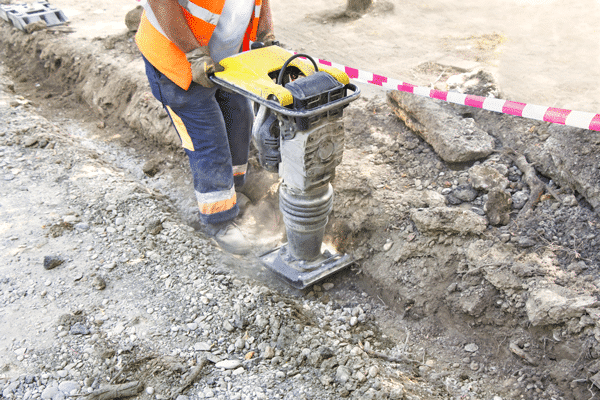
Our plate compactor operator safety training course equips workers at all skill levels with knowledge and hands-on techniques to operate 2-s...
Operator Training
Telehandler Operator Safety Training
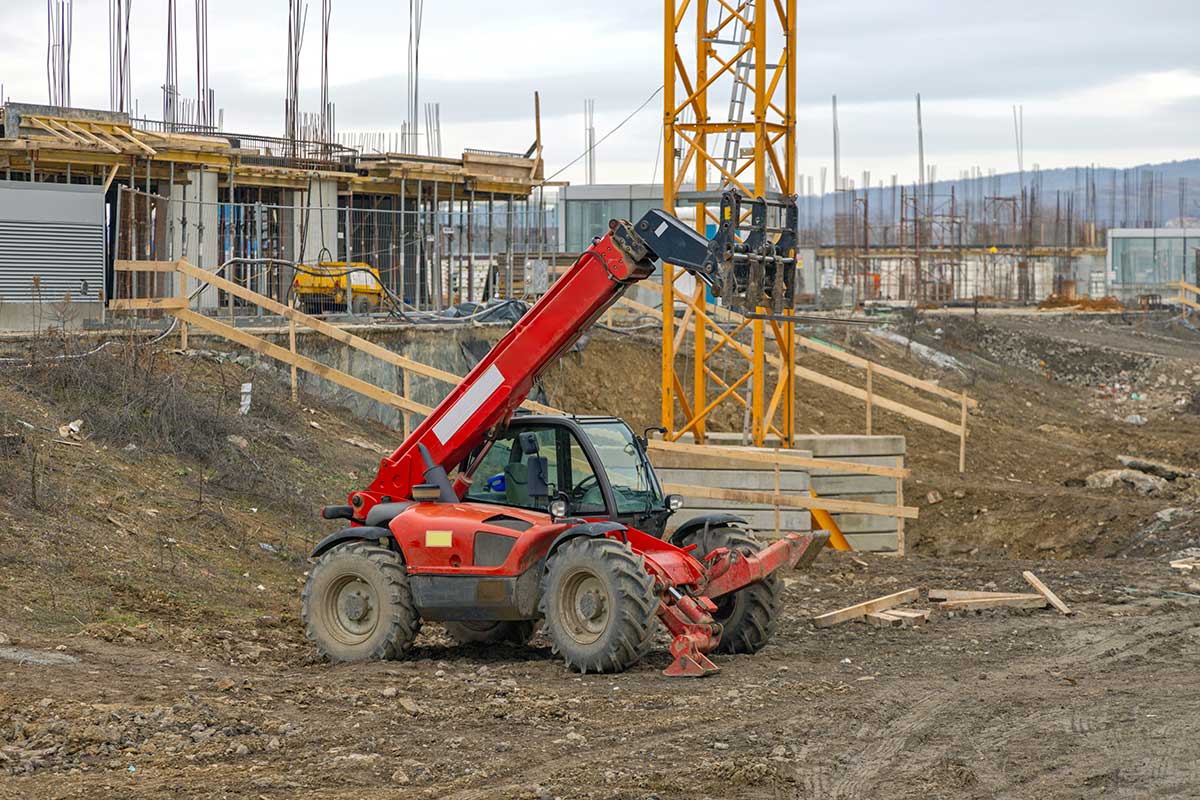
Our Telehandler Operator Safety Training builds the hands-on expertise and operational knowledge needed to handle telehandlers safely, preci...