Wheel Loader Maintenance Training
Keep your wheel loaders out of the shop and on the job. This online course walks operators and maintenance crews through pre-use inspections, preventive maintenance intervals, and hands-on servicing procedures that cut downtime, protect hydraulics and drivetrains, and keep your fleet compliant.
Course Overview
After completing this course you'll understand:
- Perform a pre-use loader circle check
- Follow the OEM maintenance schedule
- Check and top up all fluid levels
- Grease pivot pins and bucket linkage
- Spot early hydraulic and brake faults
- Keep compliant maintenance logs
Master the Essentials of Wheel Loader Maintenance Training Online
Our Wheel Loader Maintenance Training Online delivers the foundational knowledge required to perform effective preventive maintenance on wheel loader equipment, reduce costly mechanical failures, and ensure full workplace safety compliance. Made for operators, technicians, and safety managers, this practical program covers proven wheel loader servicing techniques and essential inspection procedures needed to keep your wheel loader fleet operating safely and reliably.
What You Will Learn:
- Wheel Loader Preventive Maintenance Best Practices
- Identifying & Controlling Loader Safety Hazards
- Pre-Use and Routine Inspection Procedures
- Wheel Loader Servicing Techniques to Extend Equipment Lifespan
Enroll today in our Wheel Loader Maintenance Training Online to reduce downtime, lower repair costs, and build a culture of safety and reliability-equipping your operators and technicians with certified servicing techniques and maintenance skills.
About this course
Our Wheel Loader Maintenance Training Online delivers the foundational knowledge required to perform effective preventive maintenance on wheel loader equipment, reduce costly mechanical failures, and ensure full workplace safety compliance. Made for operators, technicians, and safety managers, this practical program covers proven wheel loader servicing techniques and essential inspection procedures needed to keep your wheel loader fleet operating safely and reliably.
What You Will Learn:
- Wheel Loader Preventive Maintenance Best Practices
- Identifying & Controlling Loader Safety Hazards
- Pre-Use and Routine Inspection Procedures
- Wheel Loader Servicing Techniques to Extend Equipment Lifespan
A wheel loader earns its keep by the bucket-load, and the single fastest way to lose money on one is unplanned downtime. This course treats maintenance as a discipline: it starts at the pre-use circle check, moves through the OEM preventive-maintenance intervals, and shows operators and maintenance personnel exactly what to inspect, service, and document at each stage of the machine's working life.
You'll cover the systems that fail most often and cost the most - hydraulics, the articulation joint, the cooling package, brakes, and the bucket linkage - and learn to catch a small problem on a grease point before it becomes a seized pin or a dropped boom. The course also stresses contamination control, correct fluid grades, and the cold-weather realities of Canadian operation, where short-tripping and frozen condensate quietly shorten component life.
Throughout, maintenance is framed inside Canadian OHS due-diligence expectations: lock out and tag out before servicing, support raised attachments, and keep defect logs and inspection records that prove the work was done. By the end, your crew can keep a loader running longer, safer, and with a paper trail that holds up to inspection.
What you'll learn
Course Content
1 lesson- Wheel Loader Maintenance Procedures
What you'll get
Pre-Use Inspection Walkthrough
A guided, point-by-point circle check covering tires and rims, the articulation hitch, lift and tilt cylinders, lights, and ROPS/FOPS structure so nothing gets missed on shift start-up.
Preventive Maintenance Scheduling
Learn how daily, 250-hour, 500-hour, and 1,000-hour service intervals are built, and how dust, cold weather, and heavy loading shorten them on a Canadian jobsite.
Fluids, Filters & Lubrication Module
Step-by-step servicing of engine oil, hydraulic and transmission fluid, coolant, fuel and air filters, plus a full grease-point map for the loader's pivot and linkage points.
Fault Recognition Guide
Reference material on common wheel-loader symptoms - slow lift, overheating, brake fade, steering wander - with the likely cause and the safe response for each.
Lockout/Tagout & Safe Servicing
How to isolate stored hydraulic energy, support a raised boom, and apply LOTO before any maintenance task, aligned with Canadian OHS requirements.
Certificate of Completion
A printable record for your training file that demonstrates competency-based instruction for audits, supervisors, and prime-contractor onboarding.
Why choose us
Equipment Tutor is built by people who have actually run iron on Canadian sites, not classroom theorists. Our wheel loader maintenance content reflects how machines really fail in cold, dusty, high-cycle conditions - and what a crew can do in the yard to stop it.
Every lesson is self-paced and online, so an operator can finish a module before the shift or a maintenance lead can train a whole crew without pulling a unit out of production. You learn the procedure, document the work, and walk away with a record that stands up to an OHS audit.
Frequently asked questions
Who is this wheel loader maintenance course for?
It is built for wheel loader operators who do their own daily inspections and basic servicing, and for maintenance personnel and shop crews responsible for keeping a fleet of loaders running. No prior mechanical certification is required.
Does this course replace the manufacturer's service manual?
No. It teaches the principles, intervals, and safe procedures common to wheel loaders so you understand what you're doing and why. You should always confirm exact specs, torque values, and fluid grades against your specific make and model's OEM manual.
Is it self-paced, and how long does it take?
Yes, it's fully online and self-paced. Most learners complete it in a single sitting or across a few short sessions, and you can revisit any module - for example the lubrication or fault-recognition section - whenever you need a refresher on the job.
Will I get a certificate I can show my employer?
Yes. On completion you receive a printable certificate for your training file. It demonstrates that you completed competency-based maintenance instruction, which supports an employer's OHS due-diligence and contractor onboarding requirements.
Still have questions?
Our team is happy to help you choose the right training.
Are you looking to train yourself or your team?
Gain access to our easy-to-use platform
Not tech-savvy? No problem. Anyone with an internet connection can access the training and earn a certificate.
No scheduling required
Complete the training in your own time - start, pause and resume whenever it suits you.
Get certified
On completion you can instantly download and print your certificate.
How to get started
Add the course to your cart, check out, and start learning right away.
Buy seats in bulk
Purchase multiple seats at discounted bulk pricing - see the price table above.
Assign to your crew
Invite team members and assign seats from your dashboard in a few clicks.
Track progress
Monitor every learner's progress and completions in one place.
Manage certificates
Access and download your whole team's certificates anytime.
Trusted by workplaces across Canada
Related products
Maintenance Training
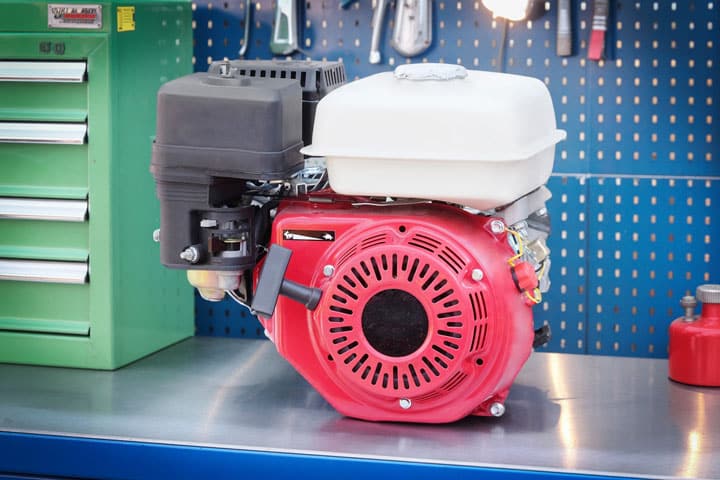
4-Stroke Engine Maintenance Training
Our 4-Stroke Engine Maintenance Training Online equips operators, technicians, and safety managers with the essential preventive maintenance...

Maintenance Training
Telehandler Maintenance Training
Our Telehandler Maintenance Training Online delivers the foundational knowledge required to perform effective preventive maintenance on tele...
Maintenance Training
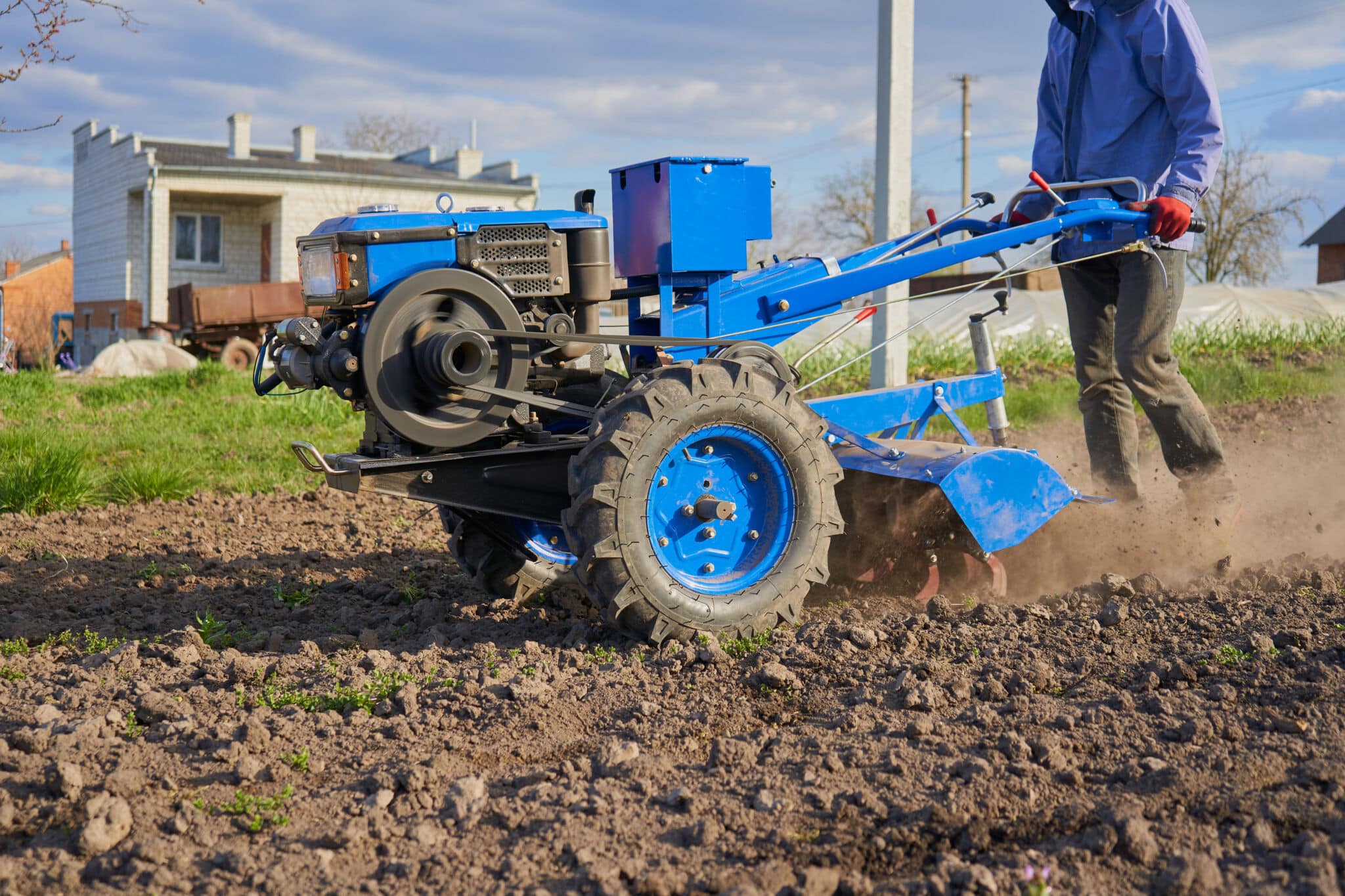
4-Stroke Rototiller Maintenance Training
Our 4-Stroke Rototiller Maintenance Training Online equips operators, technicians, and safety managers with the essential preventive mainten...